Production Wellbeing Practitioner / Production Dramatherpist
Production Wellbeing Practitioner / Production Dramatherpist
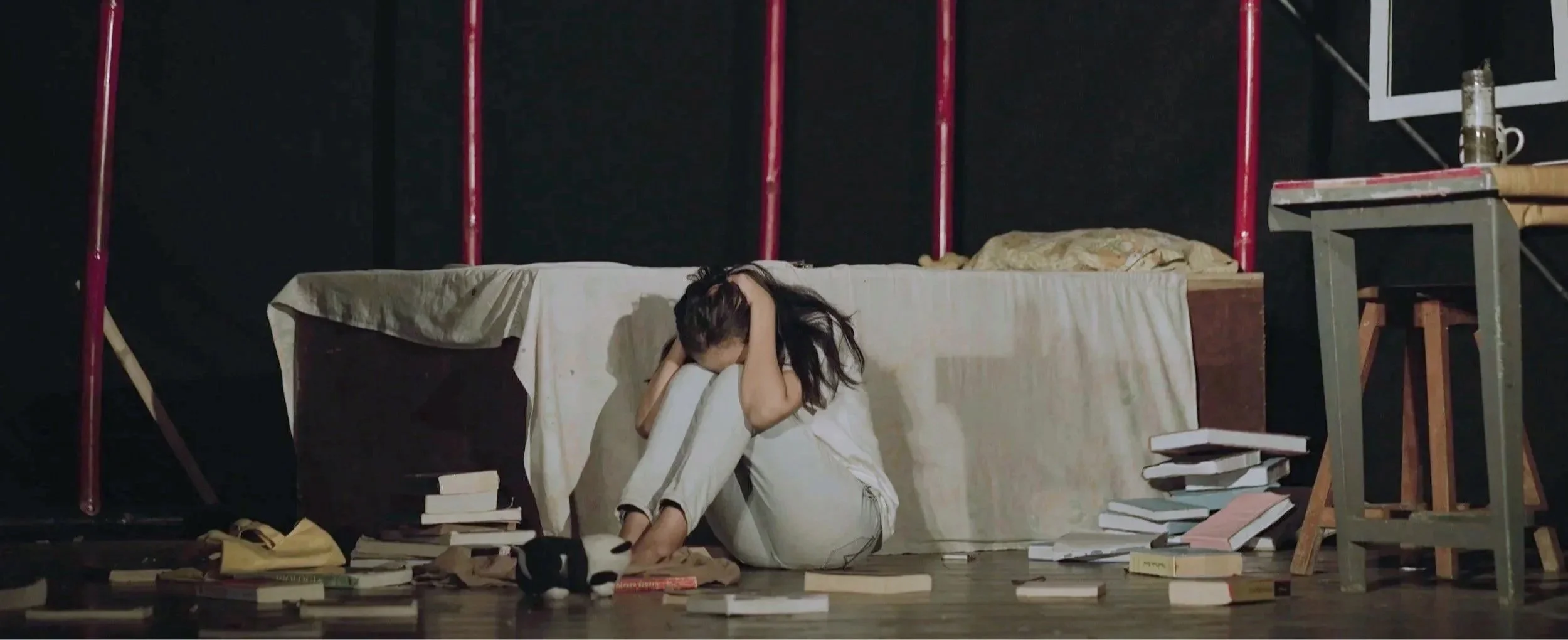
I work across two related but distinct roles; Production Dramatherapist and Wellbeing Practitioner/Facilitator - as the support productions need often draws on both. The overview below outlines an integrated approach, tailored to the specific needs and scale of each project. Where useful, I've noted which parts of the workflow sit more within one role or the other.
I offer specialist wellbeing support for film, TV, and theatre productions, working with cast and crew to help create a psychologically safe environment for tackling demanding creative material.
Drawing on my training as a dramatherapist and IFS therapist , and my own background as an actor, I understand the specific pressures of performance work from the inside: inhabiting difficult characters, sustaining intensity over a shoot or run, and the vulnerability that creative risk-taking demands. I also understand how productions actually run - the pace, the hierarchies, the unpredictability - so my support is practical and fits around the work, not alongside it. My role is to support that process, not to get in the way of it.
Two roles, often working together
A Production Dramatherapist is a clinically trained practitioner who uses creative and therapeutic methods to help actors safely process the emotional demands of a role — working directly with the psychological impact of the material itself. This can include reviewing scripts for potentially triggering content, supporting actors through intense or traumatic scenes, and guiding structured "de-roling," so a heavy character doesn't come home with them.
A Wellbeing Practitioner/Facilitator works more broadly across the production as a whole - conducting welfare risk assessments, running regular check-ins, mediating conflict, and acting as an independent, confidential point of contact for cast and crew. This focus sits more around workplace culture and prevention than clinical intervention, with signposting to clinical support where needed.
Many productions benefit from elements of both, and I'm able to flex across this spectrum depending on what your project requires - whether that's a narrowly clinical brief, a broader wellbeing remit, or a blend of the two.
My workflow (general overview)
Understanding the project Before anything else, I have a conversation with the director and producer to understand what they're looking for; the scale of support needed, the nature of the project, any early concerns or priorities, access needs, and a sense of the group dynamics I'll be working with. This helps shape whether the engagement leans more towards dramatherapy, wellbeing facilitation, or a combination of both, and sets the foundation for everything that follows.
Preparation I read the script in advance to identify key themes and potential emotional risks, and to flag any moments where an actor might need extra support - whether that's my presence on set, in rehearsal, or being on call (Dramatherapist). Where relevant, this can be paired with a broader mental health and welfare risk assessment, looking at production-wide stressors such as demanding schedules, remote locations, or intensive stunt and physical work (Wellbeing Practitioner).
Company-wide support For productions handling particularly heavy subject matter, I offer a session with the full company at the outset - introducing practical tools, establishing shared language around wellbeing, and clarifying my role as part of the production from the start. As an independent presence sitting outside the usual production hierarchy, I can also act as a confidential point of contact for anyone who'd feel more comfortable raising a concern with someone outside their reporting line.
Individual support Where needed, I hold one-to-one conversations with actors to understand their specific needs and agree what support looks like for them.
Ongoing, on set / in rehearsal Depending on the scope agreed, this can include regular wellbeing check-ins across the company, a confidential sounding board for day-to-day stress, and support in de-escalating or mediating tension between cast, crew, or leadership where it arises.
Ending well As a production wraps or a run ends, I offer debrief support to help cast release intense roles and process the transition out of a project - sometimes described as the "post-show blues." For wider crew, this can also include reflecting on what worked well and what could be carried into future productions.
Get Support for your creative project.
If you're a director, producer, or production company interested in this kind of support, I'd love to talk about what your project needs.